Exploring Kaziranga: Home of the One-Horned Rhinoceros
Discover the wonders of Kaziranga National Park, a UNESCO World Heritage Site and home to two-thirds of the world's one-horned rhinoceros population.
Updated on : November 15, 2025
The content starts from here first paragraph starts here.
Discover the wonders of Kaziranga National Park, a UNESCO World Heritage Site and home to two-thirds of the world's one-horned rhinoceros population.
Then the content continues
Kaziranga National Park, located in the heart of Assam, is one of India's most celebrated wildlife sanctuaries. This UNESCO World Heritage Site spans over 430 square kilometers and is home to two-thirds of the world's population of one-horned rhinoceros.
The Magnificent One-Horned Rhinoceros
The park's greatest treasure is undoubtedly the Indian one-horned rhinoceros. With over 2,400 rhinos calling Kaziranga home, it's the best place in the world to see these magnificent creatures in their natural habitat. These gentle giants, despite their formidable appearance, are herbivores that spend their days grazing on the park's lush grasslands.
Beyond Rhinos: A Biodiversity Hotspot
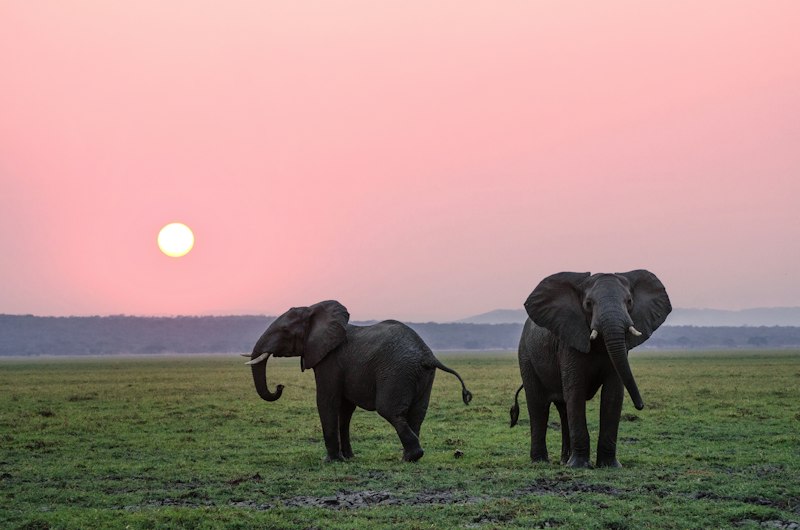
While rhinos steal the spotlight, Kaziranga is home to an incredible diversity of wildlife. The park hosts the highest density of tigers among protected areas in the world, along with elephants, wild water buffalo, and swamp deer. Bird enthusiasts will be delighted with over 480 bird species, including the endangered Bengal florican.
Best Time to Visit
The park is open from November to April, with the best wildlife viewing during March and April when the grass is shorter. The park closes during the monsoon season (May to October) due to flooding from the Brahmaputra River, which actually helps rejuvenate the ecosystem.
Safari Experience
Visitors can explore Kaziranga through jeep safaris and elephant safaris. The park is divided into four ranges - Central (Kohora), Western, Eastern, and Burapahar. Each range offers unique landscapes and wildlife viewing opportunities. Early morning safaris offer the best chances of spotting wildlife as animals are most active during cooler hours.
Conservation Success Story
Kaziranga represents one of conservation's greatest success stories. From just a handful of rhinos at the turn of the 20th century, their population has grown to over 2,400 today. This achievement is the result of dedicated conservation efforts, strict anti-poaching measures, and community involvement.
Frequently Asked Questions
Find answers to common questions about Assam